
Transform Your Business
Unlock your full potential with Kramba Consulting's expert business consulting services.
About Us
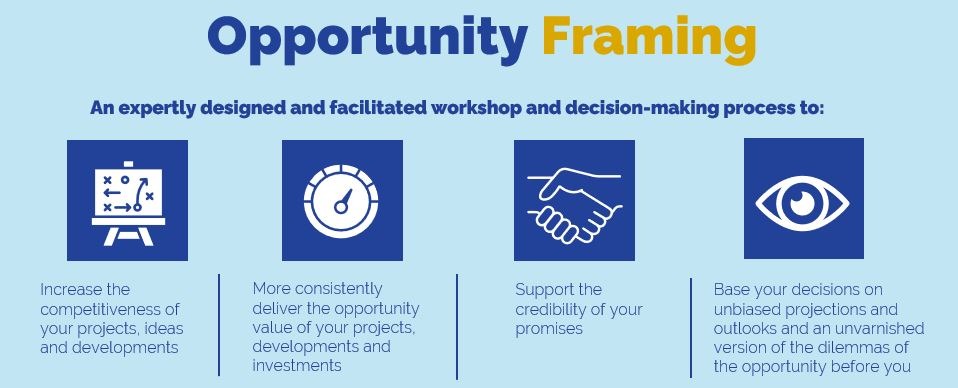
We work with change makers and project deliverers to increase competitiveness and deliverability of ideas and projects, as well as credibility of promises and improving the basis on which decisions are made with tools like opportunity framing.
Our Services
Strategy Consulting
Making it happen






Very professional workshop with engaged people and excellent contributions and very good results.
Testimonials


The framing helped us realise we were not ready to proceed yet – saved us a failed project.


It was much worth the time spent. Workshop encouraged that several important topics were addressed between partners. Should be repeated in due course.


Elaborate and well structured session to catch and align on drivers and risks.


Workshop helped to understand the limits, risks and opportunities, in a broad perspective and allows to dig deeper into the topics.





Contact Us